Israel is spreading a Glyphosate substance on agricultural lands in southern Lebanon and southern Syria
Environmental and health concerns are mounting in southern Syria and Lebanon after reports of Israeli aviation using dangerous chemical herbicides in sprays over border areas have raised questions about the real motives behind these operations.
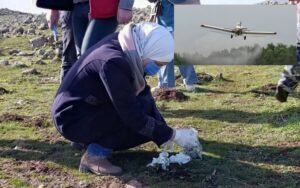
In late January, local reports from the Syrian countryside of Quneitra began to talk about Israeli agricultural planes flying at low altitude, as they sprayed unknown substances over agricultural lands in border villages.
These operations were repeated several times in a few days, without any official explanation from the Israeli side.
The nature of the substances was revealed, as Israel had used the agricultural pesticide glyphosate in high-risk concentrations in villages in southern Lebanon.
Laboratory tests conducted by the Lebanese Ministries of Agriculture and Environment showed that the concentration of the chemical in some samples was between 20 and 30 times the globally accepted levels.
Lebanese President Joseph Aoun condemned the spraying operations, describing them as “environmental and health crimes and a violation of Lebanese sovereignty”.
The Israeli army declined to comment on these accusations, further obscuring the objectives of these operations.
In Syria, the Agriculture and Environment Directorates in Quneitra Governorate took samples from the sprayed lands and warned farmers and livestock owners against approaching or using those areas for grazing until the analysis results are released.
At a UN Security Council session, Syria’s Permanent Representative to the United Nations, Ibrahim Alabi, stated that Syria “won’t compromise on the return of its land or its rights,” emphasizing that his country will take the necessary measures to assess the damage caused by the illegal Israeli presence in southern Syria.
Glyphosate is one of the most widely used herbicides in the world, but it remains the subject of considerable scientific debate.
While the World Health Organization’s International Agency for Research on Cancer classifies it as possibly carcinogenic to humans, other regulatory bodies consider it safe when used within permissible limits.
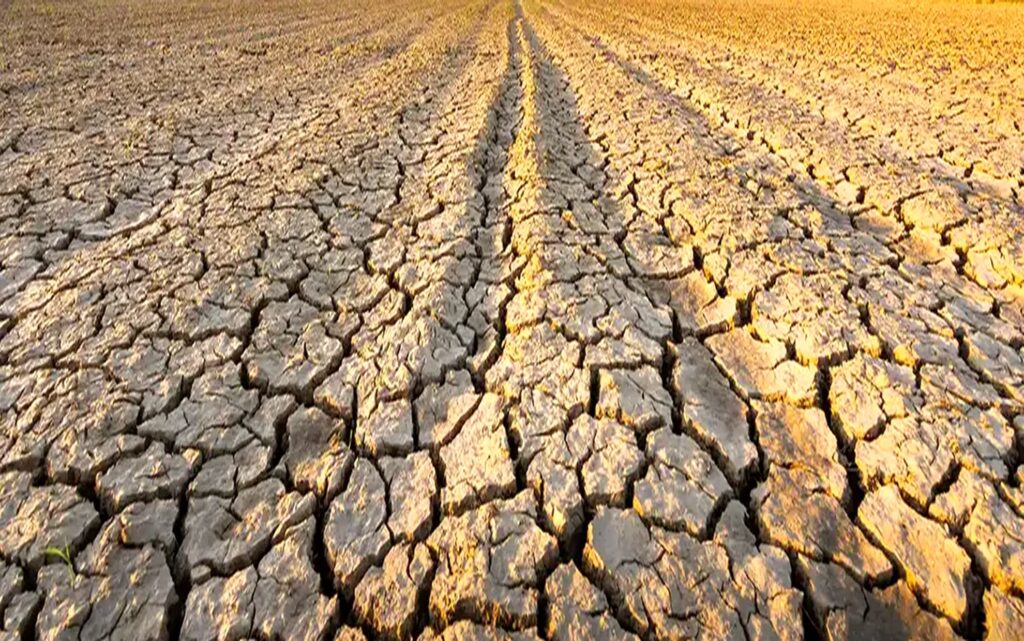
The real danger – according to experts – lies in using this substance in high concentrations in populated and agriculturally dependent areas, which could lead to crop damage and destruction of farmers’ livelihoods, long-term deterioration of soil fertility, pollution of groundwater, surface water sources, and serious health effects on the population in the medium and long term, and humanitarian and economic repercussions.
Researchers warn that such operations make it more difficult for displaced people to return to their villages, especially in areas that rely mainly on agriculture such as olive groves and tobacco.
FAO estimates that the losses of the agricultural sector in Lebanon exceeded $700 million after the 2024 conflict, making these operations an additional threat to food security.
In the absence of Israeli transparency, there are growing local and international calls for independent examinations in the Syrian countryside of Quneitra and Dara’a, and for documenting environmental violations that could have long-term effects on the health and livelihoods of the population.