Germany enters its most severe economic downturn since World War II
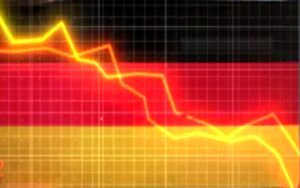
Germany is facing what business leaders describe as its most severe economic downturn since World War II.
The Confederation of German Industry warned that the economy has entered a highly dangerous phase and urged Chancellor Friedrich Merz’s government to take immediate action.
The OECD, however, offered a more hopeful outlook, projecting a gradual return to growth.
The president of the Confederation of German Industry, Peter Leibinger said, that the economy is in free fall, criticizing the government for failing to grasp the seriousness of the situation.
He noted that industrial production is set to decline again in 2025, marking a fourth consecutive year of contraction—evidence, he argued, of a structural rather than temporary problem.
Key pressures include rising energy prices, weakened demand in major export markets, growing competition from China, and US tariff measures, as after two stagnant years, only modest growth is expected in 2025.
Chancellor Merz, in office since May, has pledged to revive economic performance but is widely criticized for slow and ineffective reforms.
According to Leibinger, Germany needs a fundamental overhaul of its economic strategy, with a clear focus on competitiveness and growth.
The OECD forecasts slight growth of 0.3% this year, increasing to 1% in 2026 and 1.5% in 2027.
Lower inflation, rising wages, and reduced political uncertainty are expected to support consumer spending.
Despite this, the organization warned that US trade policies and tariffs remain a significant risk that could weigh on exports and industrial investment.
It nevertheless anticipates a rebound in private investment, driven by stronger corporate savings and falling interest rates.
The report also highlighted the global economy’s stronger-than-expected resilience, supported by improving financial conditions, expanding trade linked to artificial intelligence, and macroeconomic policy measures.