News 12: The failure of the attack on Qatar is deeper than it seems

In an article in the Israeli News 12 newspaper, the assassination attempt carried out by Israel against Hamas leaders in the Qatari capital, Doha, could turn out to be a strategic mistake that would cost the state more than any other gain.
The political and diplomatic consequences were clearly negative.
Even if the operation was partially successful militarily, it damaged trust with Qatar and the Arab world, complicated relations with the United States, strengthened the position of Israel’s enemies, and didn’t advance efforts to free the prisoners.
Israel has built secret, trust-based relationships with a number of Gulf states over recent years, through close contacts between Mossad and Foreign Ministry officials.
He added that these relations were the result of long-term efforts, so it was no surprise that the Mossad chief opposed the timing of the operation, especially since any attack on the Qatari mediator, who enjoys diplomatic immunity, would represent an unusual step in Israeli diplomacy.
In terms of history, previous Israeli attempts to carry out similar actions that provoked a sense of breach of trust, such as the 1997 assassination attempt on Khaled Meshaal in Jordan, or the 2010 assassination of Mahmoud al Mabhouh in the UAE.
Middle Eastern countries, including those in peace and normalization, fear that Israel is seeking to achieve regional hegemony.
In this regard, statements by some Israeli ministers and the actions of the military have reinforced the belief among Arabs that Israel is seeking to expand its economic and political influence, prompting some regional players to seek alternatives.
The original objective of the operation was unclear, as its not certain that assassinating Hamas leaders would have softened the movement’s position or accelerated the release of prisoners.
On the contrary, the operation may have strengthened Hamas’s resolve to fight to the end, and may have led to greater risks to the lives of prisoners.
At the same time, the operation demonstrated to its adversaries that no one is safe in any shelter.
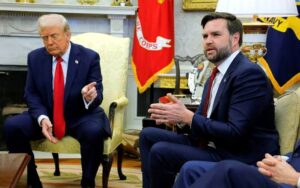
He emphasized that the attack placed the United States in a difficult position, as US President Donald Trump was forced to balance Israel’s position with that of Qatar, prompting him to make a hesitant and cautious statement, then announce a meeting with the Qatari Prime Minister to reaffirm the strength of the US alliance with the Gulf state.
The attack brought Qatar back into the spotlight of regional attention, as it received Arab leaders, ministers, and dignitaries to demonstrate solidarity with it.
It’s crucial for an emergency meeting to discuss the attack and adopt a collective stance.
This move strengthened Qatar’s international standing, despite regional challenges and rivalry, noting that any violation of sovereignty would have repercussions for other countries.
Assessing the damage to Israeli-Qatari relations so far is difficult, but past experience suggests that breaches of trust are typically punished by a temporary freeze in relations.
However, Qatar continues to maintain its vital role as a mediator between Israel and Hamas, and doesn’t appear ready to relinquish this role, which has given it broad international influence.