Military Watch: Iran has developed a “Saegheh” fighters in the sky, against expectations
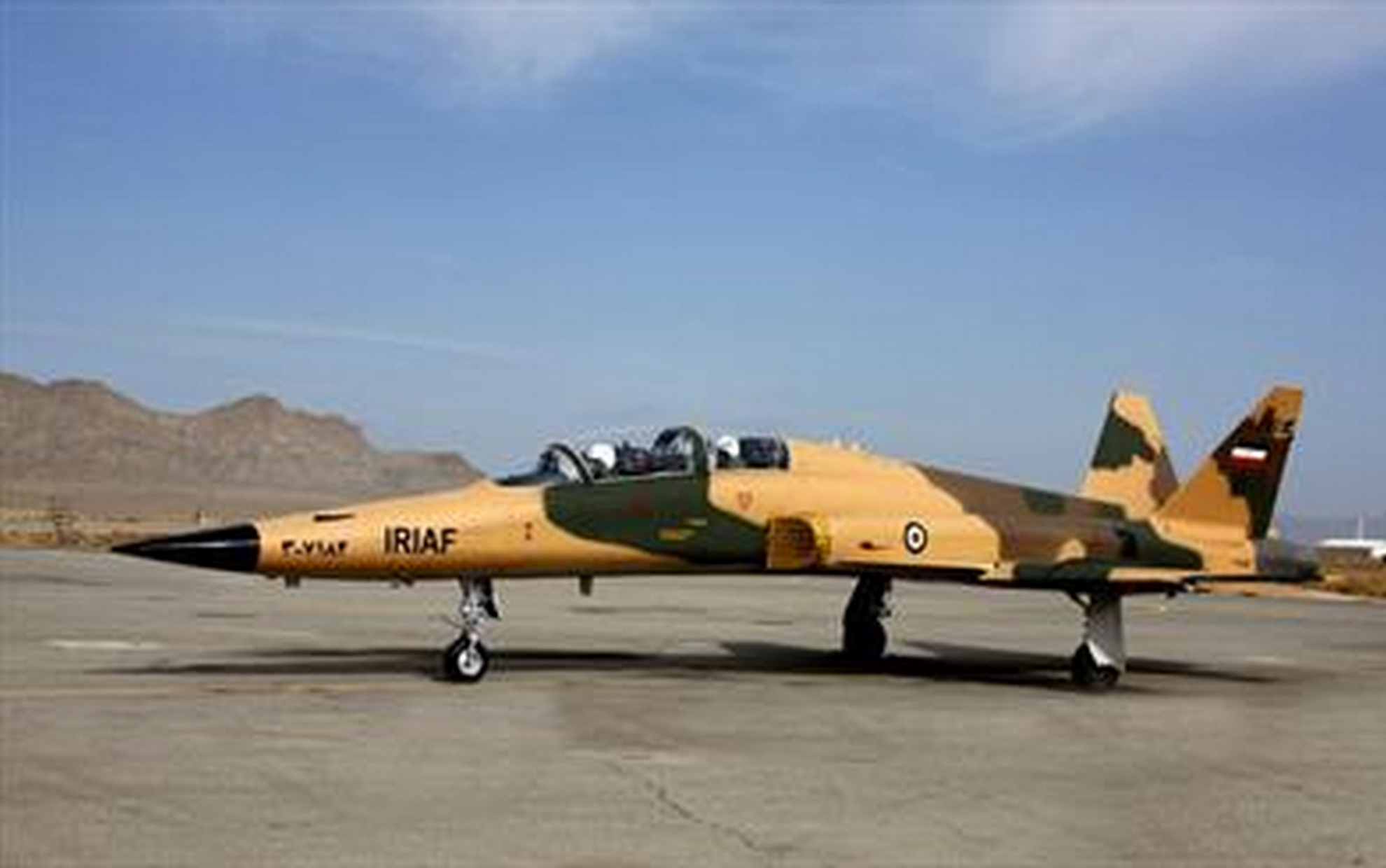
A magazine specialized in arms and military equipment evaluated Iran’s air capabilities, confirming that Iran has succeeded in empowering its space industries, which shocked the world’s arms experts.
Military watch magazine, which specializes in military equipment and weapons, published a detailed report indicating that Iran had developed its fighters and air power, especially after the Islamic Revolution of 1979.
Military analysts predicted that Iran would suffer after the severance of its relations with America and that the air force would be paralyzed within 5 years only, but the data and information shocked analysts, and the data indicated the opposite.
According to the report, Iran was forced to develop its air force, fearing an air attack from the Iraqi lands (due to America’s entry into Iraq after 2003), and to make it invest in the air force in a large and wide way in order to protect its airspace, considering that this matter represented Iran as a starting point “Priceless”.
The report indicated that Iran strengthened the military aviation industries after the war, even in the field of sophisticated and sophisticated fighters such as the “F-14”, as well as the production of advanced domestic weapons systems for these aircraft, such as the “Fakour 90” air-to-air missile.
Despite the mockery of the Western media about the Iranian “Qaher 313” light stealth fighter, which was announced in 2013, which made headlines, but given what has been revealed about Iran’s recent success in producing and launching highly advanced stealth aircraft, and the relatively advanced case for its military aviation, “the possibility of entering Qaher 313 serial production and combat service at a later date is not excluded” which means that the program is successful.
Long before the “Qaher” fighter was announced, Iran had already developed another promising domestic fighter under the joint auspices of the Ministry of Defense and Air Force. This light, twin-engine “Thunderbolt” fighter had its first flight in 2004.
Iran was able to develop the American fighters that it possesses, as it modified it and increased it with missiles. In addition, it benefited from its presence, study and maintenance, and its “reverse engineering”, which is evident from the great similarity between the American and Iranian fighters.
In addition, modern F-5s are largely operated by a number of modern military powers such as Taiwan and Thailand, and their platform upgrades have allowed them to cope with fourth-generation light fighters, and Iran has taken advantage of that.
It seems that Iran’s modifications to the airframe of the F-5 (the Thunderbolt) go beyond those of the assembly operations, and the magazine expected that Iran had obtained assistance from China, Russia or North Korea in developing its fighters.
Iranian sources indicate that the “Saegheh” has the capabilities of fourth-generation fighters, indicating that it may have benefited from reverse engineering techniques from the (F-14) and (MiG-29) aircraft.
In addition, Iran has significantly increased the flight duration of these fighters.