Zarif: Tehran is ready to show good intentions if America and Europe respect their original commitments, and economic sanctions against Iran are a crime against humanity
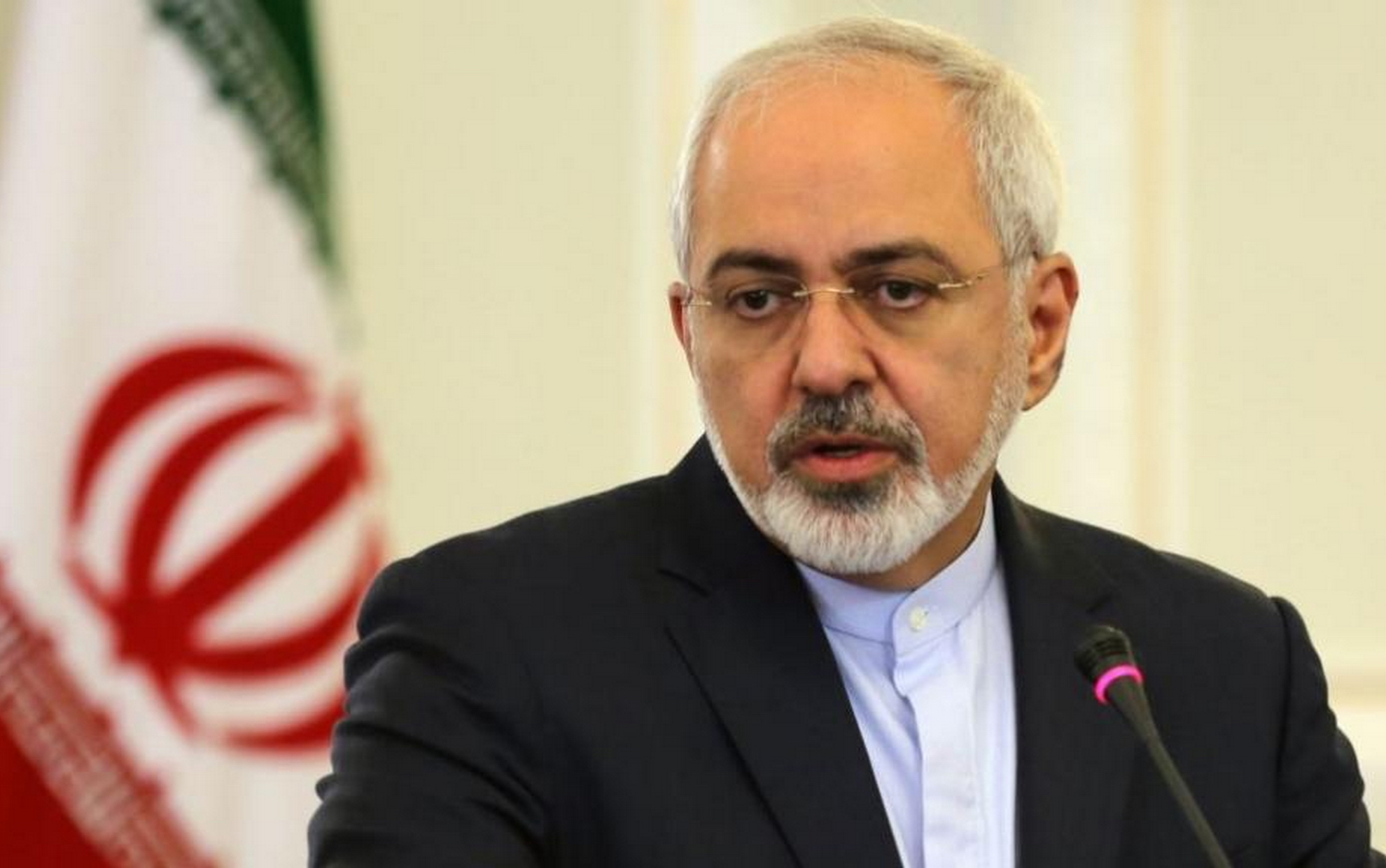
Iranian Foreign Minister Mohammad Javad Zarif said on Thursday, that Iran will fully abide by the 2015 nuclear agreement aimed at preventing it from developing nuclear weapons if the United States and Europe honor their original commitments.
US President Donald Trump withdrew from the deal in 2018, saying it was insufficient to curb Iran’s nuclear and ballistic missile programs or its influence in the Middle East.
However, US President-elect Joe Biden said he would re-join the United States to the agreement if Tehran first resumed its strict adherence to it.
He also added that he would work with allies “to consolidate and expand the agreement”.
In a speech to a conference in Rome via video technology, Zarif said that the so-called Joint Comprehensive Plan of Action (the nuclear agreement) cannot be renegotiated, but it can be revived.
“The United States has obligations.
It is not in a position to impose conditions”.
On Wednesday, Iran’s Guardian Council approved a law requiring the government to halt UN activities to inspect its nuclear sites and raise uranium enrichment beyond the limit stipulated in the 2015 nuclear deal if sanctions against the Islamic Republic are not eased within two months.
Zarif said that although the government does not favor the law, it will implement it.
“But it is not final.
The Europeans and the United States can return to compliance with the JCPOA.
Not only will this law be implemented, but in fact the measures we have taken will be canceled… We will return to full compliance”.
Zarif explained that the economic sanctions imposed by the Trump administration have cost the Iranians $ 250 billion and made it impossible to purchase the necessary drugs and vaccines to combat the Coronavirus, which has caused huge losses to his country.
“It is a crime against humanity,” he added, adding that US measures are preventing European companies from operating in Iran, dashing hopes that were generated regarding a massive recovery in trade after the 2015 agreement was signed.
“The Europeans say they are fully committed to the agreement, but they are simply not like that… We do not see any European companies in Iran, we do not see any European country buying oil from Iran, we do not see any European banks transferring our money to us,” Zarif said.
Iran’s foreign minister said he hoped neighboring Arab countries, some of which have recently established ties with Israel, which is Iran’s archenemy, will seek dialogue with Tehran as soon as Trump leaves the White House.
“We are their neighbors.
We’ll stay in this area together.
I don’t think they want to let Israel take the fight to Iran”.
On the other hand, the Iranian Foreign Ministry spokesman affirmed that “the Saudis must change their course,” noting that “it is no longer possible to defend the policy of fueling tension in the region.”
In response to the statements of the Saudi Minister of State for Foreign Affairs, Adel Al-Jubeir, he said, “For decades, Wahhabism, which was sponsored by the colonial powers, was a source of intolerance, hatred and terrorism in our region and beyond.”
“Every terrorist group in our region has graduated from religious schools funded by Saudi Arabia,” he added.
He continued, “No amount of Saudi obfuscation can hide this ugly reality .. Their horrors in Yemen, and the infamous Khashoggi case, are just some of the other stunts.”
Al-Jubeir wrote on Twitter, commenting on statements by Iranian Foreign Minister Muhammad Javad Zarif: “The assassinations do not approve of them in any way and are not part of the Kingdom’s policy, unlike the Iranian regime based on assassinations around the world since the revolution that Khomeini kidnapped in 1979.”
He added, “You can ask us and ask many countries and you will know that we have lost many of our citizens due to Iran’s criminal and illegal behavior.”
Earlier, Zarif considered the assassination of Iranian nuclear scientist Mohsen Fakhrizadeh as a “Saudi-American Zionist conspiracy.”
For its part, the United States imposed new sanctions on Iran on Thursday, as it blacklisted an entity and an individual, while Washington continues to increase pressure on Tehran during the last months of President Donald Trump in power.
The US Treasury Department said on its website that the sanctions targeted the Shahid Misami group and its president, accusing this entity of participating in Iranian chemical weapons research and association with the Iranian Organization for Innovation and Defense Research, an organization on the US blacklist.
The move comes days after the killing of the most prominent nuclear scientist in Iran last week.
On Saturday, Iran’s supreme leader pledged revenge for his death, raising the risk of a new confrontation with the West and Israel during the remaining weeks of Trump’s presidency.
“Iran’s development of weapons of mass destruction represents a threat to the security of its neighbors and the security of the world,” US Treasury Secretary Stephen Mnuchin said in the statement.
“The United States will continue to confront any efforts by the Iranian regime to develop chemical weapons that the regime or its affiliated groups can use, which is fighting a proxy war to implement their malignant agenda,” he added.
The steps announced on Thursday, include freezing any US assets of those on the blacklist, and forbidding Americans in general to deal with them.
The ministry also said that financial institutions that facilitate large transactions with the individual and entity targeted by sanctions also risk falling into the US sanctions cycle.
Tensions have escalated between Washington and Tehran since the current US President Donald Trump withdrew from the nuclear agreement concluded by his predecessor Barack Obama with Iran in 2015, and the re-imposition of economic sanctions on Tehran with the aim of negotiating tighter restrictions on its nuclear and missile program and on support for the forces working for it in the region.