Germany’s inflation rate accelerates due to the energy prices impact caused by the War against Iran
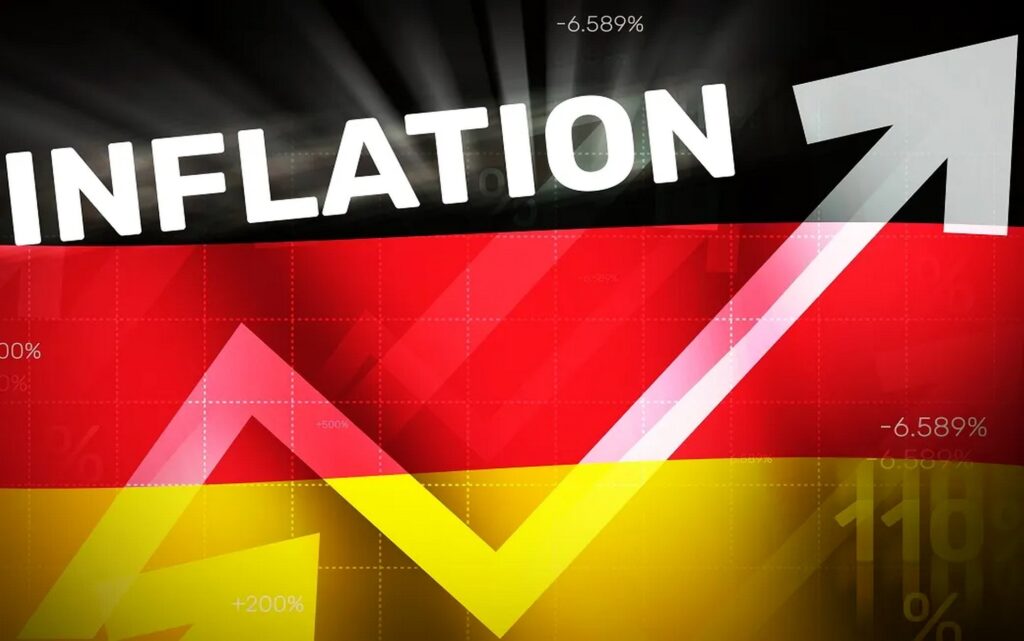
Germany’s inflation rate accelerated in March, driven by a surge in energy prices linked to the ongoing conflict in Iran, according to data released by the Federal Statistical Office on Monday.
The preliminary figures show that the inflation rate, calculated based on EU standards, rose to 2.8% year-on-year, up from 2% in February, as this increase was in line with analysts’ expectations.
The surge in inflation was primarily attributed to a 7.2% rise in energy prices compared to the same period last year.
This marks the first increase in energy prices since December 2023, following months of relative stability.
The rise in energy costs has been largely attributed to disruptions in global energy markets, exacerbated by the ongoing war in Iran.
The conflict has led to supply chain challenges, including sanctions on energy exports and volatility in oil prices, which has directly impacted European economies.
In particular, Germany, Europe’s largest economy, has seen notable price increases in both oil and natural gas, with energy bills for households and businesses rising sharply.
Analysts are concerned that these hikes in energy prices could place additional strain on the German economy, already struggling with global inflationary pressures.
While the overall inflation rate has risen, core inflation—which excludes volatile food and energy prices—remained stable at 2.5%, unchanged from February.
This suggests that the underlying price pressures in other areas of the economy haven’t been as severe, though the impact of higher energy costs is being felt across many sectors, from manufacturing to transportation.
Despite the acceleration in inflation, many economists believe that Germany’s economy could experience a more moderate inflationary environment going forward.
Analysts predict that once the immediate effects of the Iran war stabilize, energy prices may stabilize, and inflation could return to more manageable levels by mid-2024.
In response to rising inflation, the German government has been exploring various measures to mitigate the impact on consumers, particularly those facing the brunt of rising energy bills.
This includes extending subsidies for households most affected by higher heating costs and electricity prices.
However, experts warn that these interventions may only provide temporary relief, and more long-term solutions will be necessary to address the root causes of inflation.
Looking ahead, the situation remains fluid, with the war in Iran continuing to pose significant risks to global energy markets.
Economic experts are keeping a close eye on geopolitical developments in the region, as any further escalation in the conflict could lead to additional volatility in energy prices, potentially pushing inflation higher across Europe and beyond.
As for the European Central Bank (ECB), the recent inflationary trends may affect its upcoming monetary policy decisions.
With inflation still above its target, the ECB faces pressure to either maintain or increase interest rates to combat rising prices, while balancing the risk of dampening economic growth.