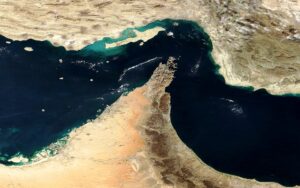
The United States allowed the sale Iranian oil delivery stored in tankers
Washington has authorized the limited sale and delivery of Iranian oil stored aboard tankers, granting a temporary window for transactions aimed at stabilizing global energy markets strained by ongoing conflict in the Middle East.
The decision, announced by US Treasury Secretary Scott Bessent, allows companies to sell and transport Iranian crude oil and petroleum derivatives that were loaded onto ships before March 20.
The authorization remains in effect until April 19 and is widely viewed as a tactical move by United States authorities to ease upward pressure on fuel prices and mitigate supply disruptions linked to escalating regional tensions.
Energy analysts say the temporary relaxation reflects growing concern in Washington over volatility in global oil markets.
Prices have surged amid fears that military confrontations and potential blockades of key maritime routes could restrict exports from major producers.
By permitting the release of oil already stored offshore, U.S. officials hope to inject additional supply without formally dismantling the broader sanctions regime targeting Iran’s energy sector.
However, Tehran responded cautiously to the announcement, as Iranian officials stated on Friday that the country doesn’t currently maintain significant volumes of surplus crude at sea, raising questions about how much additional supply the measure could realistically bring to market.
The claim underscores ongoing uncertainty surrounding the scale of Iran’s floating storage and its ability to quickly capitalize on the temporary policy shift.
Market participants are also watching closely for signals about whether the authorization could mark the beginning of a more sustained adjustment in US sanctions policy.
For now, the measure appears designed as a short-term stabilizing tool rather than a strategic pivot.
With the April 19 deadline approaching, traders, refiners, and policymakers will be assessing whether the additional barrels — if they materialize — succeed in cooling prices or merely highlight deeper structural pressures facing the global energy system.