US-Israeli Split in Syria
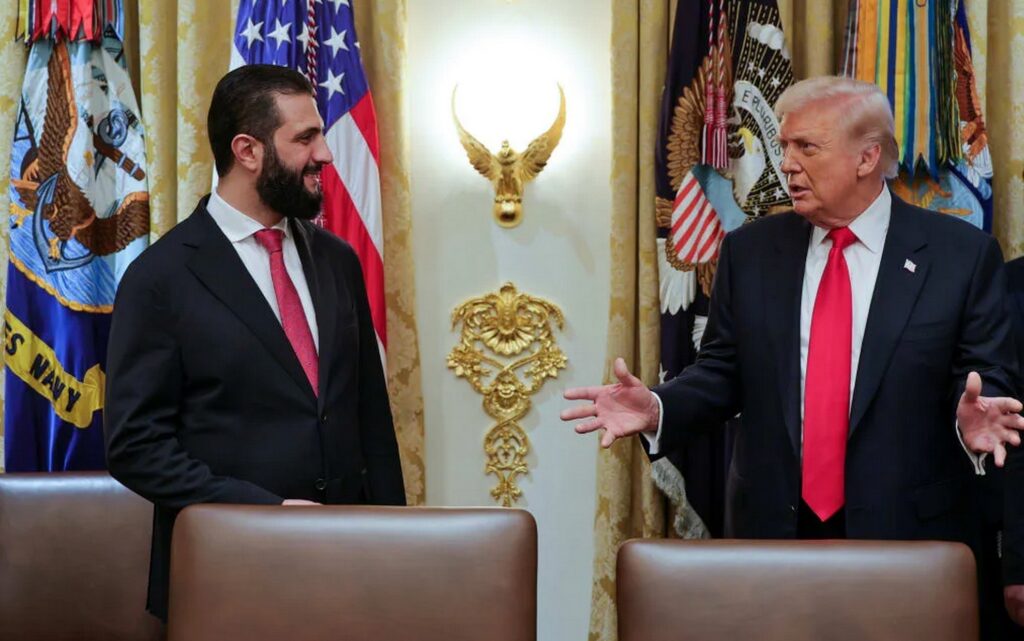
There is concern in Israeli circles over news of an imminent US withdrawal from Syria, a development seen as potentially reducing Israel’s influence and rearranging regional alliances.
Worrying developments from the Israeli perspective Talk of the US withdrawal comes at a time when Syria is witnessing several developments that Israel sees as unfavorable to its interests:
- Kurdish influence in the region diminishes;
- Strengthening support for transitional President Ahmed al Sharaa;
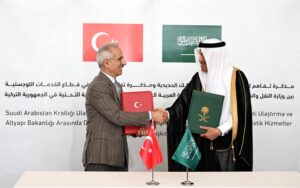
- Expansion of Turkish, Qatari and Saudi influence;
- Israel’s project based on regional division falters;
- Israeli pressure campaign in Washington.
As usual in such circumstances, Israel launched a pressure campaign inside the United States in an attempt to modify US policy.
This strategy previously worked during former President Donald Trump’s first term.
Observation records a marked contrast between US and Israeli policies, in contrast to the consensus witnessed in previous years.
The actual leadership now appears to be based in Washington rather than Tel Aviv.
This difference is manifested in several issues, starting with Syria in the US vision that sees the Israeli project as hindering the stability required to control economic resources.
Also, the relationship with Ahmed al Sharaa, as influential voices in Washington call for pressure on Syria’s transitional president.
The change in US foreign policy is linked to profound domestic shifts:
Reactions to the recent war: Israeli military operations have led to a rise in dissenting voices even within the American right.
Distance between American Jews and the Israeli Right: This explains the rise of figures like Zohran Mamdani in New York despite their critical stances on Israel.
The decline of Israeli political influence: Trump himself has pointed to the decline of this influence compared to a decade ago.
The Formation of a New “Deep State” in the United States, what can be described as a new “deep state” is taking shape centered on Trump’s national security team, wealthy special envoys group, the movement in support of the “America First” narrative.
The policy of this group is based on realism and avoidance of costly conflicts, recognition of Russia’s interests in Ukraine, redefining the Risks to US Influence, and focus on dominating the Middle East and countering China.
Israel doesn’t recognize that there is a difference of interest with the United States, and believes that it’s the worthiest of leading the process of reshaping the Middle East.
Some in Israeli circles blame Qatar and Türkiye’s growing influence in the White House, the Trump family and his associates’ business ties to Doha.
The US and Israeli sides agree that Iran and its allies represent the main obstacle to completing control of the region, especially with the growing military buildup, the willingness to negotiate or military confrontation, and trying to remove what is considered the main threat to the regional project.
These developments remain part of a complex regional equation, with the interests of several parties in Syria and the region clashing, while the human suffering of the Syrian people continues amid these major geopolitical shifts.